

How PE Supports Child Development
PE matters because it helps children grow stronger, more confident, and more ready to learn, giving them the foundations for a happy, healthy future.
In this guide, we’ll look at:
- The key physical and mental health benefits
- The developmental impact beyond the sports hall
- The risks of poor or inconsistent physical education
- What high-quality PE actually looks like
- Practical steps schools can take to improve it quickly
Primary school children today are moving less, facing greater pressures, and missing the everyday moments of physical confidence that help them thrive.
High-quality PE in schools is one of the most effective ways to improve wellbeing, behaviour, and readiness to learn – and it doesn’t require huge changes to make a lifelong difference.
This guide is built on our experience supporting more than 1,200 schools to strengthen their PE, curriculum and delivery.
When a child feels confident in how they move, everything else becomes easier for them, including friendships, classroom focus, and self-belief. Great PE gives them that spark, and schools see the benefits every single day.
Key Takeaways:
-
1
Physical development
PE improves children’s fitness, strength and coordination, supporting long-term health. -
2
Emotional wellbeing
Regular activity boosts confidence, mood, and emotional regulation. -
3
Sharper learning
Movement strengthens focus, memory, and overall learning readiness. -
4
Stronger life skills
PE builds teamwork, communication and resilience in a natural, enjoyable way. -
5
What quality PE looks like
High-quality PE is structured, inclusive, and built around clear progression. -
6
The cost of getting PE wrong
Poor or inconsistent physical education widens the gap in confidence, skills and participation.
Physical Health Benefits
High-quality PE does far more than build fitness. It gives children a chance to move with purpose, learn what their bodies can do, and enjoy being active. Regular movement strengthens the heart, builds balance and coordination, and improves core stability.
These early wins shape habits that last a lifetime. When children discover that being active feels good, they carry that feeling forward into adulthood.
Mental Health Benefits
Movement is one of the simplest ways to help children manage emotions and feel more grounded. PE gives them space to let off steam, reset, and experience success in small, achievable steps. Each time a child jumps a little higher, runs a little further, or masters a new skill, they build a stronger belief in themselves. That confidence spills over into the classroom, helping them participate more fully and approach challenges with a bit more courage.
Cognitive Benefits
An active body supports an active mind and helps to strengthen child development skills. When children move, they sharpen their ability to focus, retain information and solve problems. Schools often see calmer classrooms, better learning behaviours and improved readiness to learn when PE is taught consistently and well.
Social Development
PE is one of the best environments for social learning. Children learn to communicate clearly, support one another, take turns, and work as a team. They practise resilience each time a game doesn’t go their way and learn to try again anyway. And unlike the classroom, PE gives children room to learn these skills through real movement, shared goals and genuine collaboration.
What Good PE Looks Like
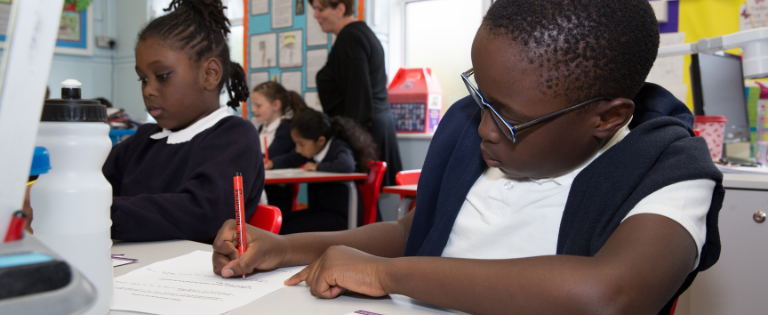
Strong PE feels purposeful, inclusive and joyful. Children know what they’re learning, why it matters, and how they can improve. Lessons move at a good pace and follow a clear, sequenced curriculum so skills build over time. Great delivery is able to adapt for every ability, ensuring every child feels they belong and can succeed. The aim is to nurture physical literacy, confidence and a lifelong love of being active.
Risks of Poor or Inconsistent PE
When PE is irregular or lacks structure, children feel it quickly. Gaps appear in basic motor skills, their confidence dips, and engagement drops. Some children begin to opt out altogether, making it harder for them to stay active as they grow older.
These challenges don’t stay in the sports hall, they show up in the classroom too, affecting self-esteem, behaviour and readiness to learn.
How Schools Can Improve Quickly
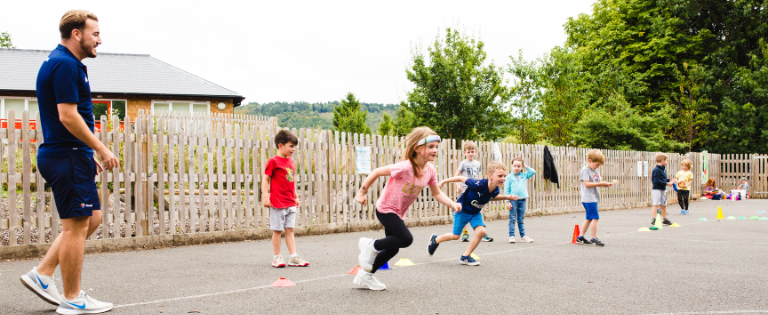
Meaningful change doesn’t need major restructuring. The biggest impact comes from confident delivery, well-planned lessons and access to specialist guidance. With the right support, staff build knowledge quickly, lessons become easier to deliver, and pupils make visible progress, often within a single term. When PE is clear, consistent and well-supported, everyone benefits: staff feel more confident, and children feel more successful.
How We Support Schools
If your school wants to strengthen its PE provision, improve consistency or build staff confidence, our team can help. We work with more than 1,200 schools to deliver structured PE, and curriculum design that fits smoothly into your timetable. Our goal is simple: to give every child the chance to feel happy, active and included, and to make life easier for the staff who support them.
Discover how we can help your school here!
