Why Children Thrive on Routine (And How Clubs Can Help)
At Premier Education, we see it every day. Children don’t need jam-packed schedules to thrive day-to-day. They need to know where they’re going, who will be helping them, and to feel like they belong. That’s what a positive routine can give them.
Based on our work with thousands of primary schools and families across the UK, we know childhood is busy, unpredictable, and often stimulating. For primary-age children especially, routine acts as an anchor helping them feel safe, calm, and ready to engage.
When children know what’s coming next, they can relax. Their confidence grows, behaviour settles, and they are free to enjoy being children.
Routine isn’t just great for children, though; it’s a bonus for hardworking parents. For you, routine brings peace of mind and avoids any last-minute scrambling.
In this article, we’ll explore:
- Why routine helps children feel safe, confident, and ready to engage
- What happens when after-school care lacks consistency
- How familiar clubs support wellbeing, behaviour, and independence
- The role wraparound care plays in making life easier for families
- How parents can create a routine without turning life into a timetable
Key takeaways:
-
1
Routine helps children feel safe and secure
-
2
Predictability supports emotional regulation and behaviour
-
3
Consistent routines build confidence and independence
-
4
Structure does not mean rigidity
-
5
Clubs provide positive, reliable routines outside the classroom
-
6
Wraparound care supports working families without compromising wellbeing
Why routine is so important for children
Providing a stable routine for children is often underestimated, despite it having such a positive effect on how children feel and behave. A large study published in the Journal of Family Theory & Review found that predictable routines were associated with better emotional regulation and fewer behavioural difficulties, particularly in primary-age children.
Irregular routines are linked to higher stress and behavioural problems. Research in the Journal of Family Psychology showed that children without a consistent routine were more likely to display impulsivity, emotional outbursts, and difficulty coping with change.
Routine and emotional security
One of the biggest benefits of routine for primary school children is emotional safety. Children experience the world at full volume. Transitions, changes, and unpredictability, even small ones, can feel overwhelming. A familiar routine gives them something solid to lean on. That’s why consistent morning routines, after-school routines, and bedtime routines are so important.
Predictability lowers anxiety, builds trust, and helps children feel safe enough to be themselves.
In practical terms, children who feel emotionally secure are more likely to:
- Settle quickly into activities
- Cope better when plans change
- Express emotions more calmly
- Build stronger relationships with peers and trusted adults
When children feel safe, everything else becomes easier.
A study by the American Academy of Paediatrics stresses the importance of routine in young children. It emphasises that routine helps children to feel secure and manage those stressful transitions from key life stages much more calmly.
Routine and behaviour
Many behaviour challenges aren’t about “bad behaviour”. They’re about uncertainty, tiredness, or overstimulation. When children don’t know what’s expected, behaviour often becomes a way of seeking reassurance.
Providing children with clear, consistent routines can help remove any guesswork when it comes to behaviour. When children feel in control of their environment, their behaviour improves.
Studies consistently show that predictable schedules improve children’s ability to follow instructions, transition between activities, and stay focused. This is especially relevant in group settings like school, clubs, and wraparound care.
Routine supports learning and confidence
Routine doesn’t just help children feel calmer; it helps them learn better.
When children can predict their environment, mental load decreases. That means more space for problem-solving, creativity and curiosity.
Over time, routine also builds independence and confidence. Children begin to anticipate transitions, take responsibility for small tasks, and move through their day with ease.
You’ll often see this where routine is done well:
- Children act confidently rather than anxiously
- They know where to put their things
- They join activities without hesitation
- They feel comfortable asking for help
That doesn’t happen by accident. It’s the result of consistent, supportive routines that allow children to feel capable and included.
Why after-school routine matters so much
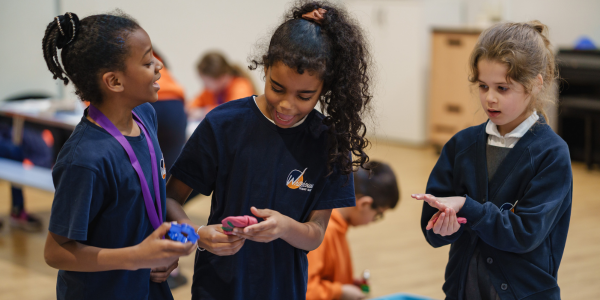
After school is a critical part of the child’s day. Children leave school mentally tired, emotionally full, and often physically restless. Without a positive after-school routine, that energy can quickly turn into stress- for children and parents!
A calm, familiar after-school environment helps children:
- Decompress from the school day
- Reset emotionally
- Move their bodies
- Socialise in a relaxed, supportive way
This is where after-school clubs and wraparound care can make a real difference.
How clubs help children thrive through routine
High-quality clubs provide something many families struggle to create consistently at home: a reliable, positive routine outside the classroom.
Premier Education clubs offer:
- Familiar faces and consistent timings
- Clear expectations with gentle structure
- A balance of movement, play and downtime
- Social interaction in a safe, inclusive setting
Children quickly learn the flow of a session: how it starts, what to expect, and how it ends. That predictability builds confidence. For many children, clubs become a highlight of the week. Not just because they’re fun, but because they feel familiar, welcoming and safe.
We don’t just keep kids busy. We make busy brilliant.
Routine, movement, and well-being
Routine is especially powerful when it includes regular physical activity.
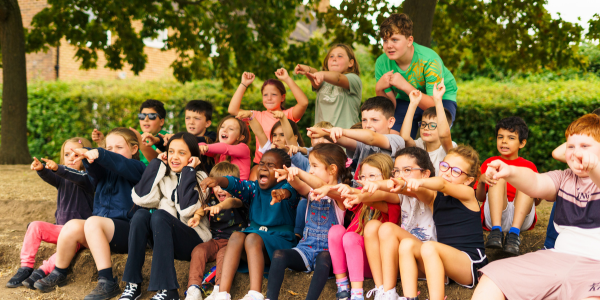
Movement helps children regulate emotions, release energy, and refocus. When activity becomes part of a predictable routine, through weekly clubs or daily wraparound care, the benefits build over time.
Children who move regularly as part of a routine often show improved movement and concentration, better sleep, improved social skills and more. This is why active, structured clubs are so effective for primary-age children.
Supporting working families without compromise
For working parents, routine is what keeps the week running smoothly. School drop-off, work commitments, pick-up times. It all has to connect and make life easier.
That’s where high-quality wraparound care and after-school clubs make the difference. When children attend clubs in familiar school settings, led by trusted coaches they know, routine feels natural, not disruptive. Parents get peace of mind knowing their child is safe, active and happy.
Done properly, wraparound care doesn’t feel like “extra childcare”. It feels like a seamless extension of the school day – one that children actually look forward to.
What good routine-led provision looks like
We believe that the strongest routine-led provision shares a few clear traits:
- Consistent, familiar staff who build real relationships with children over time
- Clear but flexible session structure, so children know what’s coming next without feeling restricted
- Inclusive delivery, supporting different personalities, confidence levels and needs
- Purposeful activities that build confidence, friendships and enjoyment
This is where routine becomes powerful. Children arrive knowing what to expect, who they’ll see, and how the session will flow.
At Premier Education, this approach runs through everything we do – from wraparound care and after-school clubs to holiday clubs, so children experience consistency, even when the timetable changes.
Helping children thrive, day after day
When children know what to expect, they feel secure. When they feel secure, they’re more willing to try new activities, build friendships and move their bodies with confidence. Over time, that consistency supports emotional well-being, physical development and positive behaviour, both in and out of school.
That’s why routine matters, and why the right wraparound care and holiday clubs don’t just support busy parents, they help share happier, healthier childhoods.
Happy Kids. Healthy Futures.
