Is my child doing enough physical activity? A realistic guide for busy parents.
Most primary school children should aim for around 60 minutes of physical activity each day, but it doesn’t need to be organised sport- running around at the park, playground games, cycling, dancing, or active clubs all count.
However, modern childhood looks very different to how many of us grew up. Screens are everywhere, school days are busy, and evenings can disappear quickly between homework, dinner and bedtime. At the same time, we know that movement plays a huge role in how many children grow, learn and feel about themselves.
But here’s the good news: being active doesn’t mean your child needs to train like a young athlete. In most cases, everyday play and movement already go a long way.
At Premier Education, we work with thousands of primary schools and families across the UK, helping children stay active through PE lessons, after-school clubs and holiday activities.
When children feel physically confident, everything changes. They join in more, make friends more easily and feel proud of what their bodies can do.
Movement isn’t just about fitness. It’s about giving children the confidence to take part, try new things and enjoy childhood.
Key takeaways:
-
1
How much physical activity children are recommended to get
-
2
What actually counts as exercise for kids
-
3
Why physical activity improves confidence, focus and wellbeing.
-
4
The signs a child might benefit from more movement.
-
5
Practical ways busy families can help children stay active.
-
6
Why play, clubs and everyday movement all matter
How much physical activity should children actually get?
The UK Chief Medical Officers’ guidelines recommend that children aged 5-18 should aim for: At least 60 minutes of moderate to vigorous physical activity every day.
That might sound like a lot at first, but it’s easier to reach than most parents expect. The key thing to remember is that this doesn’t have to happen all at once.
Children often build up activity throughout the day through things like:
- Walking to school
- Playground games at break time
- PE lessons
- Playing outside with friends
- Riding bikes or scooters
- After-school clubs
- Family walks
A typical school day already includes several opportunities for movement, so many children naturally reach close to the recommended amount. It’s also worth remembering that the guidelines are an average goal across the week, not a strict rule that must be met every single day. Some days will be more active than others, and that’s completely normal.
What actually counts as physical activity for kids
When many parents think about exercise, they picture organised sports like football or swimming lessons. But children’s physical activity can look very different. In fact, play is one of the most powerful ways children stay active.
Activities that count include:
- Running around the playground
- Climbing on play equipment
- Playing tag or chasing games
- Dancing in the living room
- Riding bikes or scooters
- Jumping on trampolines
- Swimming
- Playing football in the park
- Gymnastics or active clubs
Even short bursts of movement add up. For younger children, especially, physical activity often happens in short, energetic bursts rather than structured sessions. That’s exactly how childhood should look: movement, laughter, and discovery.
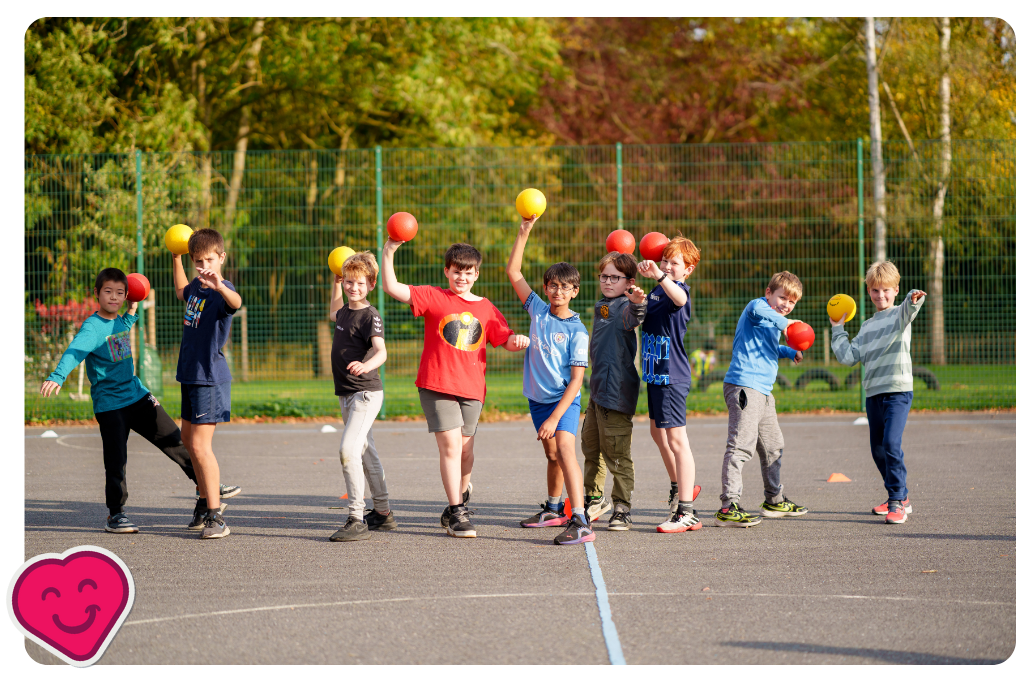
Why physical activity matters beyond fitness
Being active helps children stay healthy, but the benefits go much further than physical fitness. Movement supports several areas of a child’s development.
Confidence
When children learn new physical skills, whether that’s catching a ball, balancing on a beam or scoring their first goal, they develop confidence in themselves. Those small wins build a powerful sense of ‘I can do this’.
Friendships and social skills
Active play naturally encourages teamwork, communication and cooperation. Playgrounds and sports fields are often where children form some of their strongest friendships.
Focus and learning
Physical activity helps children concentrate in the classroom. Moving their bodies allows them to release energy and return to lessons feeling more focused.
Emotional wellbeing
Exercise releases chemicals in the brain that boost mood and reduce stress. Children who move regularly often feel happier and more relaxed.
Better sleep
Active days usually lead to better nights. Many parents know the magic of a child who comes home tired, happy and ready for an early bedtime.
At Premier Education, we see this every day – children leaving sessions smiling, full of stories and proud of what they’ve achieved. It’s one of the reasons we believe childhood should be filled with movement, laughter, and discovery.
Signs your child might benefit from more activity
Every child is different, and there’s no perfect formula for activity levels. However, there are a few signs that a child might benefit from more opportunities to move.
For example:
- Spending long periods sitting or using screens
- Avoiding playground games or PE
- Feeling unsure or lacking confidence in physical activities
- Struggling to burn off energy before bedtime
- Saying they’re bored or restless at home
None of these are reasons for worry; they’re simply signals that more movement could help. Often, small changes to routine can make a big difference.
The reality for busy families
Many parents read activity guidelines and immediately think: “That sounds great… but when could we actually fit it in?”
Between work, school runs, homework and dinner, family life can feel busy enough already. The important thing to remember is that physical activity doesn’t need to be another item on the to-do list. Instead, it can fit naturally into everyday life.
For example,
- Walking or scooting to school when possible
- Playing in the garden after dinner
- Visiting the park at weekends
- Family bike rides
- After-school clubs once or twice per week
Children also tend to be more active when activities feel fun rather than structured. Running around with friends or exploring a playground often provides just as much movement as formal exercise.
10 easy ways to help your child move more
If you’d like to encourage more activity at home, here are some simple ideas:
Make the park a regular stop
Even 30 minutes at the park can include climbing, running and jumping.
Walk or cycle when possible
Short journeys can easily become mini-adventures.
Turn music on and dance
One song can quickly turn into a full living-room dance party.
Encourage outdoor play
Fresh air and space naturally lead to movement
Try family activity days
Bike rides, walks or swimming together can become family traditions
Join active clubs
Clubs introduce children to new sports and help them build confidence.
Use active breaks
A quick game in the garden between homework tasks can reset energy levels.
Limit long screen sessions
Encouraging movement breaks keeps children balanced.
Let children try different activities
Not every child loves the same sport – variety helps them find what they enjoy.
Focus on fun
When movement feels enjoyable, children want to do more of it. The goal isn’t perfection. It’s simply helping children develop a positive relationship with being active.
The confidence effect: why active kids thrive
One of the most powerful things about physical activity isn’t the exercise itself. It’s what happens after.
Children who move regularly often develop:
- Greater self-belief
- Stronger friendships
- Better resilience when things go wrong
- A willingness to try new experiences
That confidence carries into other areas of life – from classroom participation to social situations.
We often see children arrive at sessions feeling unsure, only to leave a few weeks later with a completely different level of confidence. They’re proud of themselves, eager to join in and excited to come back.
If you’re wondering whether your child is active enough, the fact that you’re thinking about it already means you’re doing the right thing.
Children don’t need perfect routines or packed sports schedules. They simply need regular opportunities to move, play and explore. A bike ride here. A playground visit there. A club they love, once or twice a week.
Those moments build an active lifestyle and a happy childhood. Because when children move more, they grow more confident, more resilient and more connected to the world around them.
FAQs
How much exercise should a 7-year-old get each day?
Children aged 5-18 are recommended to aim for at least 60 minutes of physical activity daily. This can include play, sports, PE lessons and active travel like walking or cycling.
Does playing outside count as exercise?
Yes. Running, climbing, playing games and riding bikes all count towards a child’s daily activity.
What if my child doesn’t enjoy sports?
That’s completely normal. Physical activity can include dancing, swimming, cycling, trampolining, or simply playing outside with friends.
Is PE at school enough physical activity?
PE is a great start, but most children benefit from additional movement outside lessons, such as active play, clubs or family activities.
Happy Kids. Healthy Futures.
